

As we navigate the complexities of the current U.S. economic landscape, it’s essential to understand the broader national trends and consider their potential implications for us here in Iowa.
Employment Trends
Recent data indicates a mixed picture in the national job market. While the unemployment rate remains relatively low, there has been a slight uptick in recent months. Notably, the health care sector continues to see job growth, which could be relevant given Iowa’s significant health care industry presence. However, other sectors are experiencing stagnation, leading to concerns about overall economic momentum. [Source: PBS News]
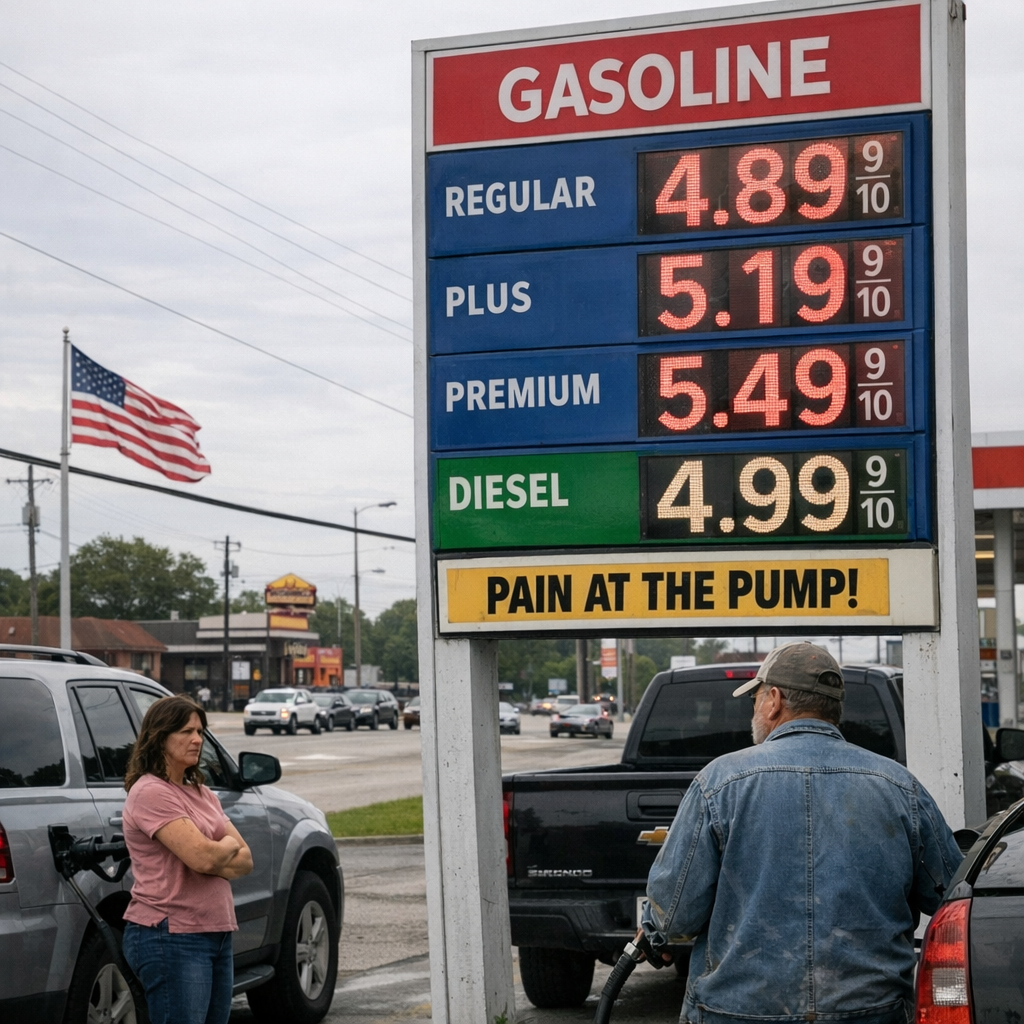
Rising Gasoline Prices
Nationally, gasoline prices have surged by 50% since the onset of the conflict in Iran. This increase is primarily due to disruptions in global oil supply chains. For Iowans, this means higher costs at the pump, which can affect household budgets and the broader economy, especially in our agriculture and transportation sectors. [Source: PBS News]
Federal Reserve’s Monetary Policy
The Federal Reserve has recently adjusted its outlook, projecting slower economic growth and a potential rise in unemployment. These changes are influenced by various factors, including ongoing trade disputes and global economic uncertainties. Such projections can have ripple effects on local economies, influencing everything from interest rates to investment decisions. [Source: Investing.com]
Implications for Iowa
For us in Iowa, these national trends underscore the importance of staying informed and proactive. Rising fuel costs can impact our agricultural sector, a cornerstone of our state’s economy. Additionally, shifts in employment trends may influence job opportunities and wage growth within our communities. By understanding these broader economic movements, we can better prepare and adapt to the challenges and opportunities they present.
In conclusion, while the national economic landscape presents certain challenges, it also offers opportunities for resilience and growth. Staying informed and engaged will be key to navigating these times effectively.